
Gold has held its value across generations. People turn to it when the world feels unstable, and the pattern continues today. Markets shift fast, and economic pressures rise without warning. During these moments, gold stands firm. Its history, performance, and universal trust create a foundation investors appreciate. This article explores why gold still matters and how it supports confidence when everything else feels shaky.
Why Gold Moves Differently
Unlike many assets, gold rarely follows the same path as the stock market. When equities fall, gold often holds steady or even moves upward. This behavior helps stabilize an investment portfolio during turbulence. It adds balance. While other assets react to market swings, gold responds to broader financial sentiment. Because of this, many investors see it as a unique tool for mitigating risk and preserving long-term value.
Why Gold Remains Relevant Today
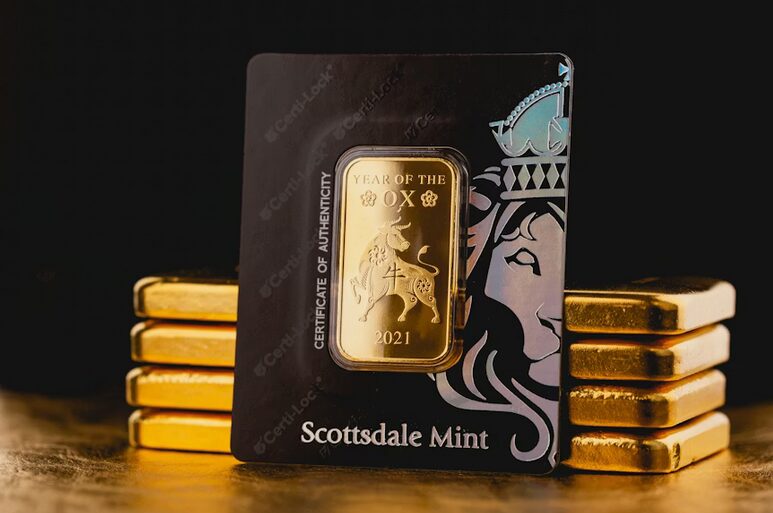
Modern challenges, from global inflation to market unpredictability, continue to shape financial decisions. Gold provides perspective. It holds value when emotions run high and markets feel unpredictable. It supports confidence, helps manage risk, and stands as a dependable option during financial transitions. While no investment is guaranteed, gold has maintained a reputation that few assets can match. It remains trusted because its strength has been tested repeatedly and under the utmost pressure.
Historical Strength of Gold
Gold carries a long timeline of resilience. Cultures around the world have treated it as a symbol of wealth for thousands of years. Its value has survived wars, inflation spikes, political transitions, and global downturns. That track record makes it more than a trend. It shows durability. When people need something solid, they look at gold because it has repeatedly proven its strength.
Protection Against Inflation
Inflation weakens the buying power of currency. Prices rise, and money stretches less than it did before. Gold, however, tends to increase in value during these periods. As the cost of living grows, people seek something that keeps pace. Gold serves this purpose effectively. It provides a clear way to maintain financial stability when other assets lose ground. This ability makes it appealing during economic pressure.
Gold as a Safe Haven Asset

When uncertainty reaches its peak, investors seek safe options. Gold sits at the top of that list. Global events such as financial crises, political conflict, and unpredictable markets push people toward gold because it carries no default risk. It is not tied to a single government or corporation. That independence gives it credibility. It helps ensure peace of mind at times when confidence feels fragile.
Accessibility and Modern Investment Options
Today, investors have more ways than ever to buy and store gold. Physical gold remains popular, with bars and coins offering direct ownership. Digital options, ETFs, and gold-backed accounts make access simple and convenient. These tools open doors for new investors. They allow participation without complex processes or large commitments. This flexibility supports gold’s ongoing relevance in modern finance.
Support Portfolio Stability
Gold enhances stability when added to an investment mix. It reduces exposure to volatility because it behaves differently from most assets. A balanced portfolio includes elements that cushion downturns, and gold fulfills that role well. Even a small allocation can influence long-term performance. Investors include it not only for protection but also for the comfort of knowing they hold something steady during shifting conditions.
Gold stays reliable for clear reasons. It has history on its side, moves independently of market swings, protects against inflation, and offers multiple investment formats. In uncertain times, people look for stability. Gold delivers that in a consistent and meaningful way. As financial landscapes continue to evolve, gold’s role remains steady. It stands as a firm anchor when the world feels complex and unpredictable.