

Cryptocurrency promises exciting opportunities, but scammers see dollar signs too. One minute, you’re researching Bitcoin, and the next, someone online claims they can turn your savings into a fortune before Friday. Sounds fantastic, right? That’s precisely the problem. Fraudsters exploit excitement, confusion, and fear of missing out to make ordinary investors hand over their money. Knowing their favorite tricks can help you keep your hard-earned cash where it belongs.
Fake Investment Platforms and Guaranteed Profits
Ever come across a website displaying impressive charts, glowing testimonials, and account balances climbing faster than a rocket? You deposit money, watch your supposed profits grow, and feel like a financial genius. Then you try to withdraw your funds, and suddenly the platform demands extra taxes or mysterious processing fees. That impressive dashboard may have been nothing more than digital theater. Scammers often advertise guaranteed returns, risk-free trading, or unusually high profits within days. Legitimate investments carry risk, and cryptocurrency prices can swing dramatically. Before transferring funds, research the platform independently and check its regulatory status with the relevant financial authority. Never rely solely on screenshots, online reviews, or claims published by the company itself.
Phishing Messages and Fake Crypto Support
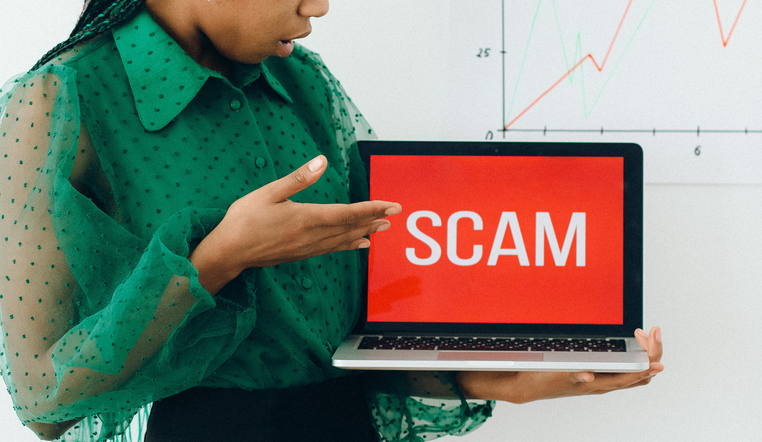
Your inbox pings with an urgent message: “Your wallet will be suspended unless you verify your account immediately!” Panic sets in, and you click the link without thinking. The page looks convincing, but it secretly collects your login details or wallet recovery phrase. Once scammers obtain that information, they may steal your assets before you even realize something is wrong. Fake support agents use similar tricks on social media, messaging apps, and discussion forums. They might offer to fix a wallet problem or recover missing cryptocurrency for an upfront payment. Real support teams should never need your secret recovery phrase to assist you. Visit official services through independently verified channels, activate multifactor authentication where available, and never share private keys or recovery phrases.
Pump and Dump Schemes That Manufacture Hype
Ever seen a cryptocurrency suddenly promoted as the next big thing? Anonymous accounts flood social media with dramatic predictions, screenshots of supposed profits, and claims that a coin will explode in value. Excited investors rush to buy, pushing its price higher. Then the organizers sell their holdings, the price crashes, and late buyers are left holding an expensive digital souvenir. These schemes often rely on urgency and coordinated promotion rather than genuine value. Watch out for secret trading groups, guaranteed price predictions, and influencers who fail to disclose paid promotions or financial interests. Research a project’s team, purpose, trading activity, and available documentation before investing. If someone insists you must buy immediately, take that as a reason to slow down.
Romance Scams and Impersonation Tricks

Some cryptocurrency fraud begins with a friendly conversation rather than an investment pitch. A stranger builds trust through dating apps or social media, then eventually mentions a supposedly profitable trading opportunity. They may show fabricated earnings and guide you toward a platform they control. Once you deposit money, withdrawals become difficult or impossible. Other scammers impersonate celebrities, financial experts, or established crypto companies. Fake giveaways may promise to double any cryptocurrency you send, but the only person getting richer is the fraudster. Verify identities through official channels and be suspicious of unsolicited investment advice. Never send money to prove trust, unlock a prize, or participate in a supposed giveaway.
Bottom Line: Pause Before You Pay
Protecting your cryptocurrency starts with a simple rule: verify first, transfer later. But if you suspect fraud, stop sending funds and preserve transaction records, messages, wallet addresses, and screenshots. Contact your exchange or financial institution promptly, and report the incident to the appropriate authorities. Be wary of anyone promising to recover stolen cryptocurrency for another upfront fee, since recovery scams often target victims a second time. In crypto, a little skepticism can save you a very expensive lesson.…


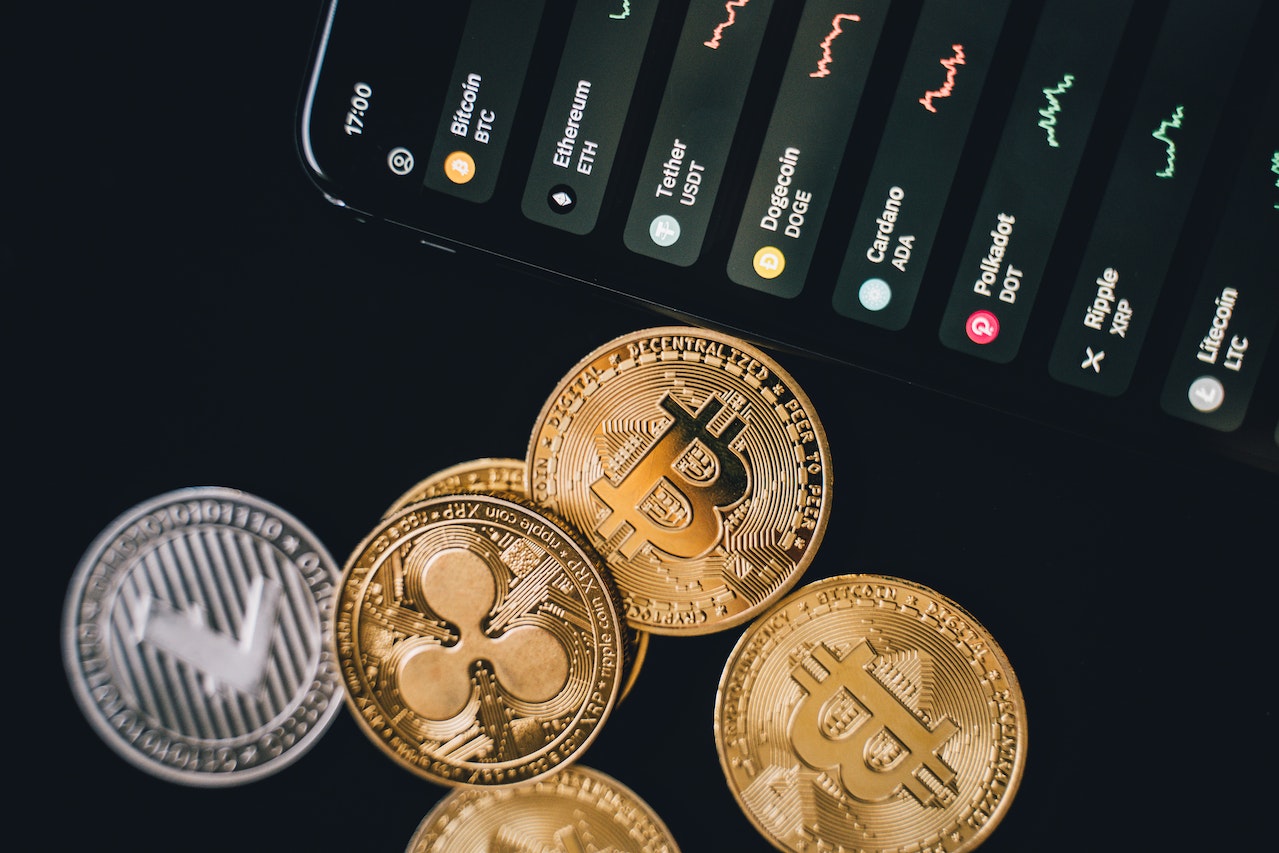
 One of the best ways to protect your cryptocurrency is to trade on safe and reputable exchanges. Make sure to research before selecting an exchange, as some are less secure than others. Look for a business with a good reputation and top-notch security features such as two-factor authentication, cold storage, and insurance for any stolen funds.
 Multi-signature transactions are another great way to protect your cryptocurrency. These transactions require multiple signatures to be executed, so they are much more secure than regular ones. You can set up multi-sig wallets with several different users, which makes it even harder for hackers to steal your funds. In addition, you can also require a time delay for any transactions, adding an extra layer of security. Cryptocurrency can be a profitable investment, but taking the necessary steps to protect it is crucial.